Machine Reverse Engineering
When the part you need no longer exists in a catalog, Schimmel Engineering scans what you have — or what's left of it — and builds a production-ready CAD model from the ground up. Using a Creaform HandyScan Black Elite and SolidWorks, we take any physical part from the real world into a fully parametric model ready for CNC machining, casting, or additive manufacturing.
If It's Discontinued, NLA, or One of a Kind — We Can Reproduce It.
Most reverse engineering services give you a mesh file — a digital photograph of the part. That's not enough to manufacture from. Schimmel Engineering goes further: we extract the original designer's intent from the scan data, rebuild the geometry as a fully parametric SolidWorks model, and produce manufacturing drawings with proper GD&T callouts ready for a machinist or foundry.
We've taken this workflow from a single mail-in part through to countless machined, welded, and printed one-off, low-volume, and mid-volume production runs — each part fully interchangeable with the original. We handle the entire chain: scan, model, prototype, vendor selection, manufacturing documentation, and end-user assembly instructions.
If you have the part, we can scan it. If the part is degraded, warped, or missing entirely, we can often reconstruct it from the cavity, chassis, or mating surfaces it was designed to fit.
How Does the Scan-to-CAD Reverse Engineering Workflow Work?
Every reverse engineering project follows a structured process that turns physical hardware into production-ready engineering data.
Part Capture
We scan your part using the Creaform HandyScan Black Elite at ±0.0009 in. accuracy — capturing every surface, bore, and feature in a high-density point cloud. Mail-in or on-site. No surface preparation or damage to your original part.
Feature Extraction
Using VXModel and VXElements, we extract critical geometry from the scan: bore centers, parting lines, wall thickness, draft angles, and mating surfaces. This is where we get inside the original designer's head — not just copying the shape, but understanding the intent behind it.
Parametric CAD Modeling
All mechanical design takes place in SolidWorks. The result is a fully editable, parametric model — not a mesh or dumb solid. Features are properly defined, dimensioned, and ready for modification. Assemblies include fit checks against mating components.
Manufacturing Drawings & GD&T
We produce complete 2D drawing packages with GD&T callouts, tolerances, surface finish specifications, and material callouts. Drawings are formatted for domestic or overseas machining vendors and include all stack-up tolerance analysis required for reliable assembly.
Prototype & Inspection
Before committing to production, we typically run 3D printed prototypes for fit and function verification, and use the HandyScan to perform dimensional inspection of first-article machined parts against the CAD model — catching vendor deviations before they become costly problems.
Production & Documentation
We manage domestic and overseas vendor relationships, coordinate manufacturing runs, and produce complete end-user documentation — assembly instructions, exploded views, and part lists. From file to finished product on your shelf, or your customer's door.
How Does 3D Laser Scanning Identify and Eliminate Part Failure Modes?
Schimmel Engineering integrates professional engineering with 3D laser scanning to identify and eliminate part failure modes. Unlike basic scanning services that replicate wear, our Design Intent Reconstruction analyzes damaged geometry to determine original specifications. We don't just recreate parts — we optimize the design to ensure your replacement components perform better than the original.
What Can Machine Reverse Engineering Be Used For?
Schimmel Engineering has applied this workflow across automotive, powersports, industrial, theatrical, themed entertainment, and custom fabrication applications.
NLA & Discontinued Part Reproduction
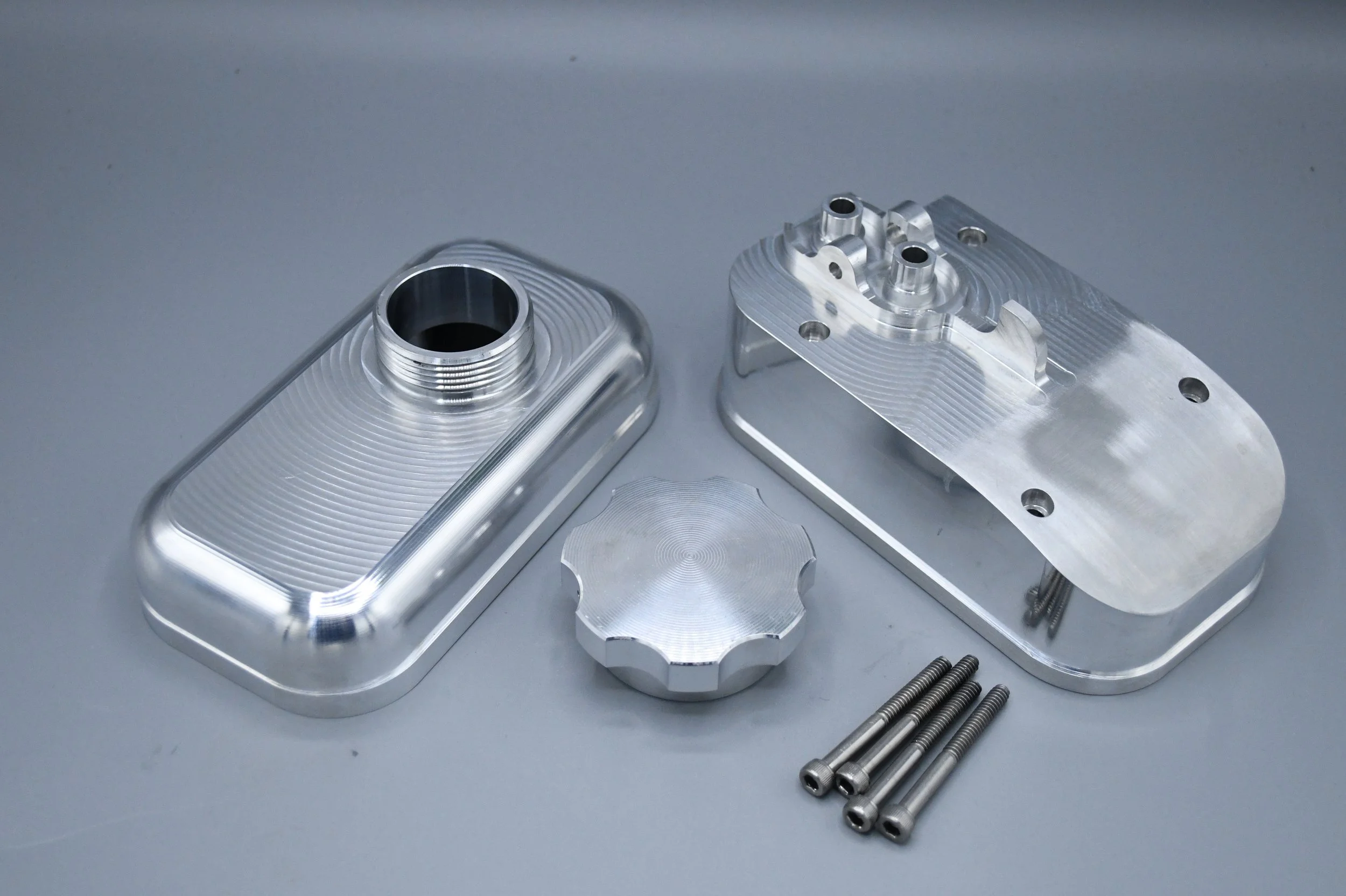
When a part goes out of production, the only option is reproduction. We scan originals — even worn or degraded ones — extract the design intent, and produce manufacturing-ready files for any quantity from one to thousands. Materials range from billet aluminum to nylon to stainless steel.
Engine Case & Drivetrain Components
We've designed and produced billet engine cases for vintage two-stroke engines — taking a scan of the original cast case, rebuilding it as a billet-optimized design in SolidWorks, and managing production runs of 25+ units. The same workflow applies to transmission cases, gearboxes, motor mounts, and bell housings.
Automotive Interior & Body Components
Scan-to-manufacture for interior panels, package shelves, brackets, and body components where the original no longer exists in usable condition. We scan the chassis or cavity, build the replacement geometry, and produce cutting files for CNC routing, vacuum forming, or fabrication.
Custom Repair Kits & Replacement Hardware
When a repair requires not just a replacement part but a custom installation tool or procedure, we design the complete system. Our BMW E30 window latch rebuild kit — including a custom disposable flaring tool — went from scan to Amazon Prime-eligible product, complete with written installation instructions.
Industrial & Machine Components
Reverse engineer worn or obsolete tooling, fixtures, jigs, and machine components. We produce parametric models suitable for redesign and improvement — not just copying the original flaw, but extracting intent and optimizing for modern manufacturing methods and materials.
Concept to Shelf — Product Development
Beyond reproduction, we handle complete product development: clean-sheet design, SolidWorks modeling, DFM review, vendor sourcing, packaging design, and customer documentation. If you have an idea for a product the market is missing, we can take it from concept to a finished product ready for sale.
Real Reverse Engineering Projects from the Schimmel Engineering Portfolio
Every project below was completed by Schimmel Engineering — real parts, real clients, real production.
Billet Engine Case · Powersports
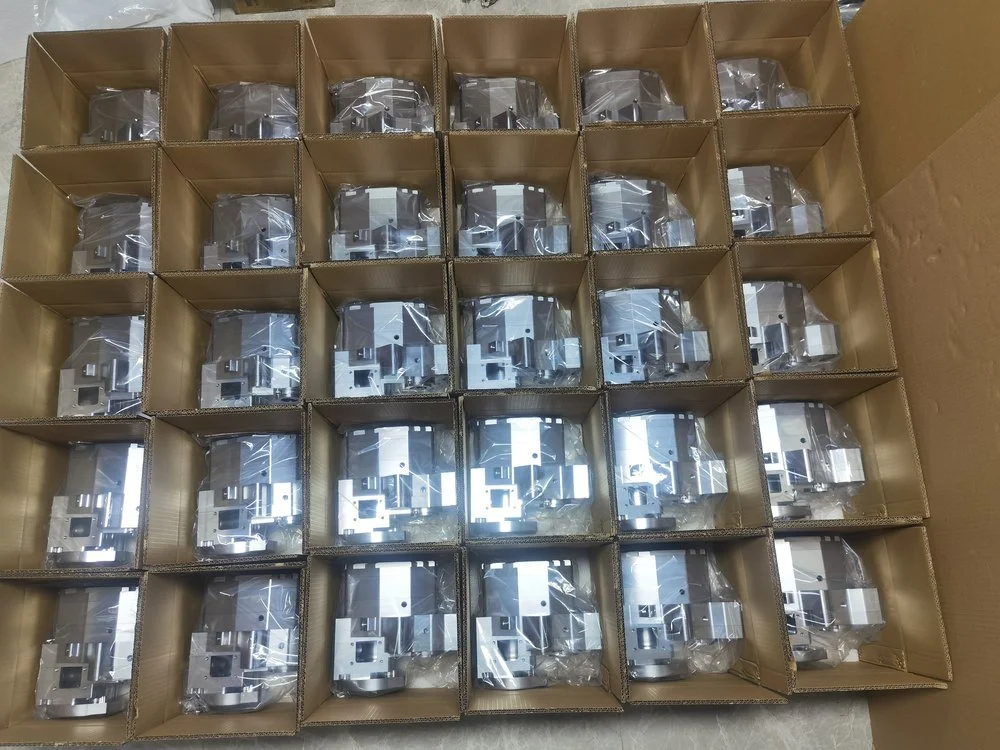
Billet Puch ZA70 Engine Case — Scan to Production Run of 25
Fully laser scanned, parametric rebuild, and billet redesign of a vintage two-stroke engine case. 25 units produced in 2024 (~$30k run). Complete end-user assembly documentation included.
View Project →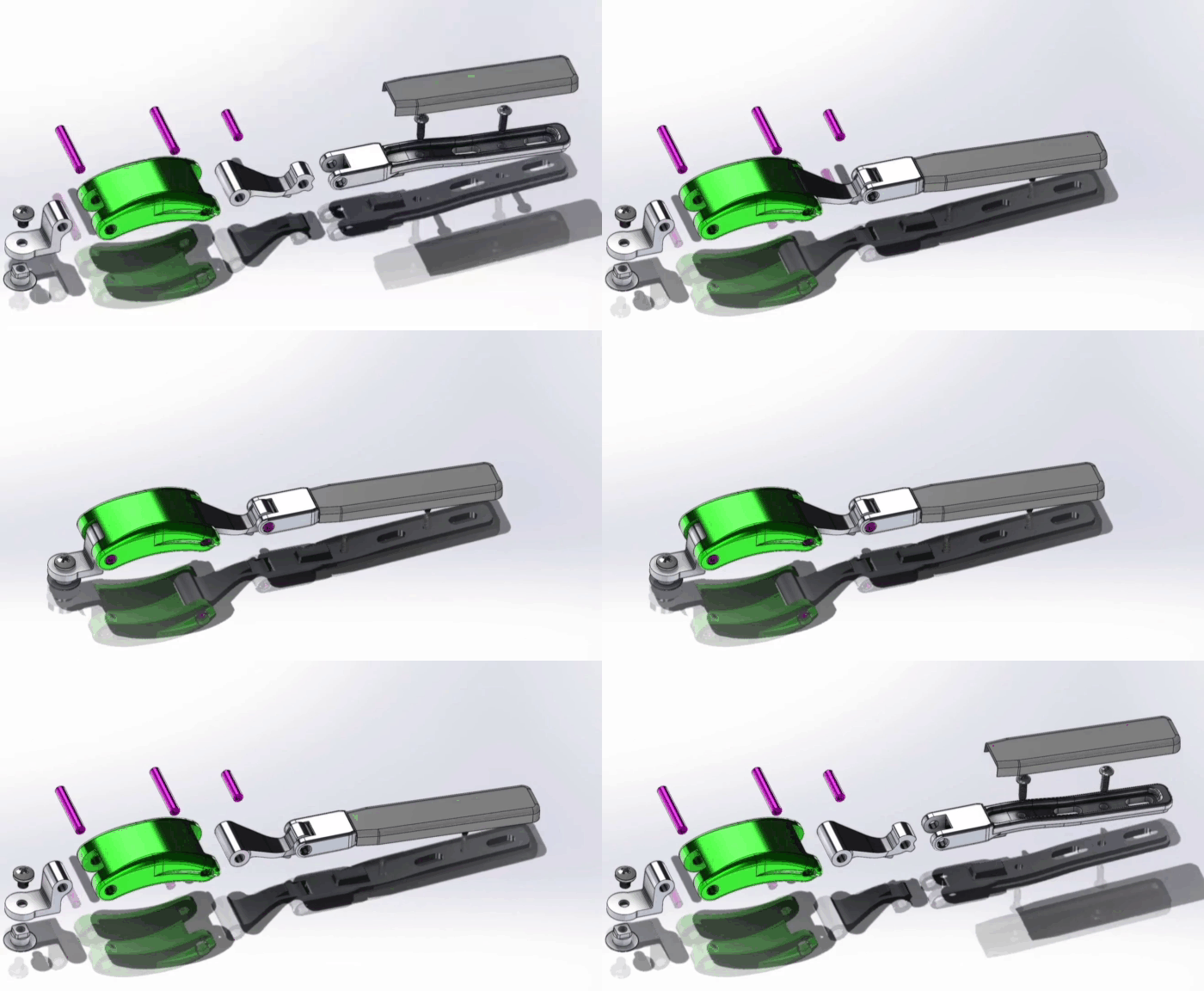
Automotive · Concept to Product
BMW E30 Window Latch Rebuild Kit — Design Intent Reconstruction
Concept-to-product development of an anodized billet replacement latch kit with custom disposable installation tooling. Now available on Amazon with Prime shipping.
View Project →
NLA Part Reproduction · Powersports
Reverse Engineering & Duplication for a 12 South Powersports Repair Shop
Mail-in scan of an NLA vintage part, cleaned mesh, and MJF print-ready file — delivered for $250. The most cost-effective entry point for part reproduction.
Read the Case Study →What Does a 3D Scan Even Look Like?
This is a 1979 Austin Mini — scanned by Schimmel Engineering. Rotate, zoom, and inspect the geometry. This is the level of detail we capture from every part we scan.
What Does Parametric CAD Even Look Like?
This is the V50 prototype bottom end — a two-stroke engine case taken from raw scan data to a fully parametric SolidWorks model by Schimmel Engineering. Every bore, parting line, and mating surface is defined, editable, and ready for a machinist. This is what separates a scan file from something you can actually manufacture from.
What Does a Machine Reverse Engineering Project Cost?
Pricing is transparent and scales with scope. Below are real project cost breakdowns from completed work.
Mail-In Scan File
Customer ships part in — their cost
1 hr scanning & basic cleanup — $130
Additional cleanup if needed — $80/hr
Return shipping with insurance — ~$20
From $130 + return shipping — watertight STL/OBJ
Parametric CAD Model
Mesh file (as above) — from $130
Solid model from mesh — $250–$500 per part
2D drawings for machining — $500–$1,000
First article inspection — $130/hr
Typical total — $500–$2,000+
Concept to Production
Full scan-to-model — as above
Prototype prints & fit verification — varies
Vendor sourcing & production management
Assembly documentation package
Quoted per project — contact us
Machine Reverse Engineering — Frequently Asked Questions
What is machine reverse engineering?
Machine reverse engineering is the process of digitally capturing an existing physical part using 3D laser scanning, then converting that data into a fully parametric CAD model for CNC machining, casting, or additive manufacturing. Schimmel Engineering uses the Creaform HandyScan Black Elite to capture parts at ±0.0009 inch accuracy and builds production-ready SolidWorks models from that data — not mesh files, but fully editable parametric geometry.
Can you reverse engineer a part that no longer exists in good condition?
Yes. When the original part is degraded, warped, or missing entirely, we can often reconstruct its geometry by scanning the surrounding chassis, cavity, or mating surfaces and working backwards. We've done this for vintage Saab body panels and obsolete powersports components where no usable original existed — scanning the opening the part was designed to fill rather than the part itself.
What manufacturing methods can you support after reverse engineering?
We deliver production-ready models and drawings for CNC billet machining, sheet metal fabrication, FDM, SLS, MJF, and DMLS additive manufacturing. We also manage vendor sourcing, domestic and overseas manufacturing contracts, and produce complete assembly and end-user documentation packages.
What's the difference between a mesh file and a parametric CAD model?
A mesh file (STL, OBJ) is a digital photograph of a part's surface — it's useful for 3D printing reproduction but cannot be directly machined, modified, or manufactured from by most shops. A parametric CAD model (SolidWorks, STEP) is fully editable, dimensionally defined, and can be sent directly to a CNC machinist or casting house with proper GD&T drawings. Schimmel Engineering always delivers parametric geometry when the end goal is machined production.
Do you offer mail-in scanning for reverse engineering?
Yes. Mail-in scanning is the most cost-effective way to get started. Ship your part to our Nashville, TN lab (37206) — at your cost — and we return it with your digital file package plus commercial return shipping with insurance. A watertight mesh file (STL/OBJ, suitable for 3D printing) starts at $130 + return shipping. A reverse engineered solid model — fully parametric SolidWorks geometry ready for CNC machining — starts at $250 + return shipping for a single part. We accept parts from anywhere in the United States and internationally.
Where do you provide reverse engineering services?
Our lab is based in Nashville, Tennessee, and we serve clients nationally and internationally. For on-site scanning of large equipment or assemblies, we travel with advance notice — our equipment is hand-carry portable. For individual parts, mail-in scanning eliminates travel cost entirely and is available to clients worldwide.
Nashville, TN — Mail Parts Directly to Our Lab.
Ship to zip code 37206. We scan, process, and return your part with commercial insurance. On-site visits available within 50 miles of Nashville starting at $390. We travel nationally and internationally with advance notice.
Have a Part That Needs to Be Reproduced?
Send us photos and a description. We'll tell you exactly what the path forward looks like — and what it will cost.